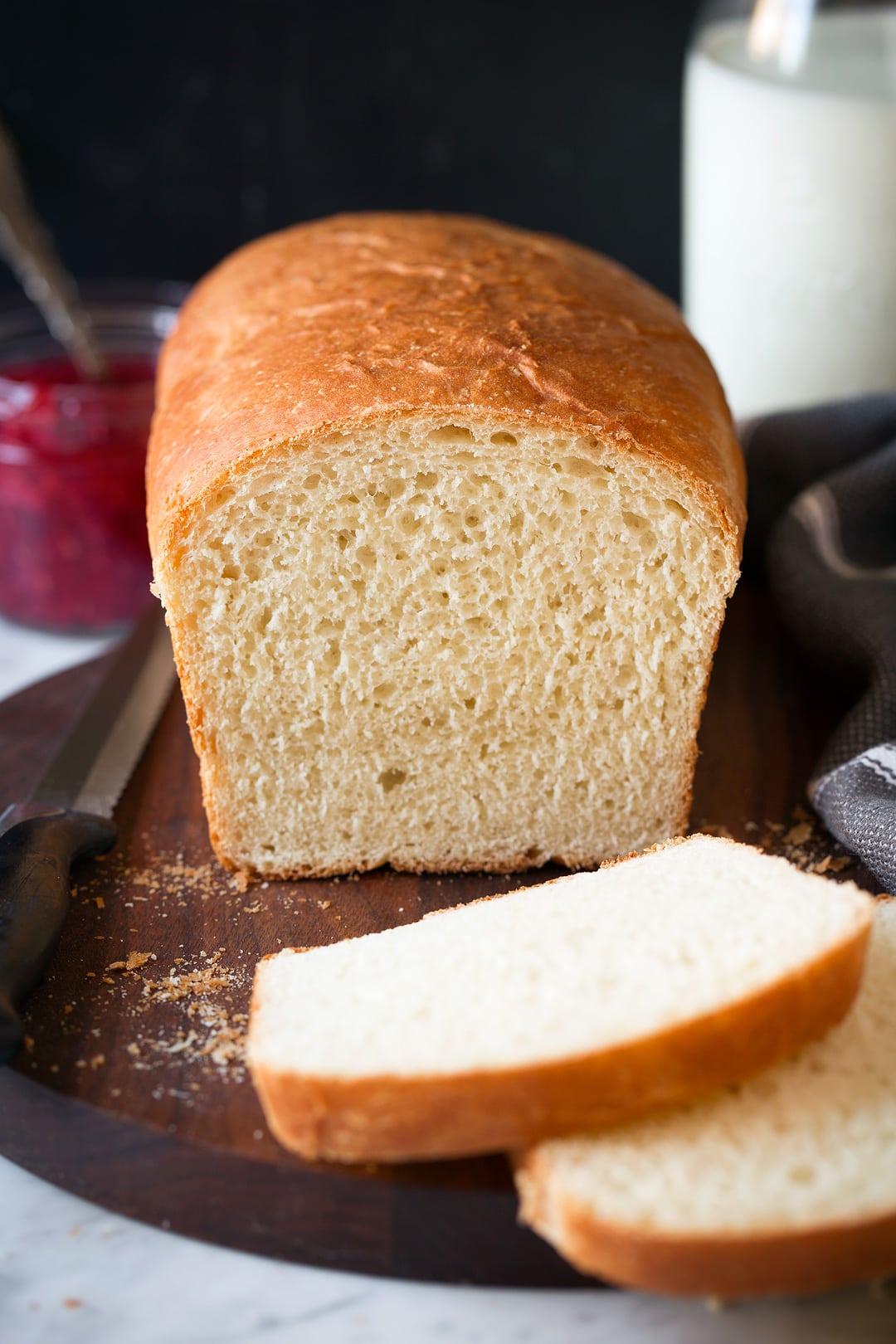
Imagine the aroma of freshly baked bread filling your home – warm, inviting, and utterly irresistible. Now, imagine achieving that sensory delight in just about an hour from start to finish. Sounds like a dream, doesn't it? Well, pinch yourself, because with one hour bread, this dream becomes a delicious reality. Forget the laborious, multi-stage processes of traditional bread making; this revolutionary recipe is designed for busy modern lives, promising a golden, chewy crust and a soft, airy interior that will quickly become your new family favorite for every meal.
For too long, the idea of homemade bread has been synonymous with a time-consuming commitment, relegated to weekends or special occasions. But what if you could whip up a batch of artisan-quality bread on a weeknight, or have it ready to complement a spur-of-the-moment soup? That’s the magic of Bake Delicious Homemade Bread in Just One Hour: The Easiest Recipe. This isn't just a recipe; it's a game-changer, transforming the way you think about baking and bringing the joy of warm, homemade goodness to your table whenever the craving strikes.
The Magic Behind Your New Favorite: What Makes One Hour Bread So Special?
The allure of one hour bread lies in its stunning simplicity and remarkable speed, without compromising on quality. It’s an ideal solution for anyone who craves the comforting taste and texture of homemade bread but feels intimidated by long proofing times or complex techniques. While your very first attempt might take a mere 70-75 minutes as you get acquainted with the steps, seasoned bakers often shave that down to a true 60 minutes – from flour to fragrant, ready-to-eat loaves.
What truly sets this bread apart is the incredible balance it strikes: a wonderfully rustic, golden-brown crust that yields with a satisfying chew, giving way to an incredibly soft, tender crumb inside. This isn't just "fast bread"; it's good fast bread. It's the kind of bread that elevates a simple sandwich, transforms a humble bowl of soup into a gourmet experience, or becomes the star of your breakfast table as glorious French toast the next morning. And because most recipes yield two loaves, you're often set for both immediate gratification and future deliciousness!
Beyond Speed: The Versatility Factor
Once you master this quick bread, you’ll find yourself reaching for it constantly. Its mild, inviting flavor and perfect texture make it a versatile canvas for countless culinary adventures:
- Perfect Sandwiches: Forget flimsy store-bought slices. Build epic sandwiches on thick, fresh slices of your homemade bread.
- Soup & Salad Companion: A crusty piece of warm bread is the ultimate partner for a hearty soup or a crisp green salad, perfect for soaking up every last drop.
- Morning Toast: Slice it thick, toast it to golden perfection, and slather it with butter, homemade jam, or a drizzle of honey for a breakfast that feels truly indulgent.
- Best French Toast Ever: Seriously, if you have a second loaf, save it for French toast. The slight firmness that develops overnight makes it soak up the custard beautifully, resulting in an unparalleled breakfast treat.
- Garlic Bread: Slice, spread with garlic butter, and bake for a quick, aromatic side dish.
Unlocking the Secrets to Perfect One Hour Bread Every Time
Achieving bakery-quality bread in such a short timeframe might sound like magic, but it's really down to understanding a few key principles and leveraging specific ingredients. Mastering these secrets will ensure your one hour bread consistently comes out perfect.
The Power of Instant Yeast and Steam
The single most critical ingredient for speed and success in this recipe is instant dry yeast. Unlike active dry yeast, which requires a preliminary proofing step in warm water, instant yeast is designed to be mixed directly into your dry ingredients. It's formulated to activate rapidly and provide a powerful, swift rise, making the "one hour" promise truly achievable. Using active dry yeast will extend your rise time significantly and may not yield the same fluffy volume, so stick to instant! You can delve deeper into this crucial ingredient and other techniques in Secret to Bakery-Quality One Hour Bread: Instant Yeast & Steam.
Another game-changing technique for achieving that enviable crispy, chewy crust and impressive oven spring (the final burst of rising in the oven) is the use of steam. This is typically achieved by placing a shallow pan of water on the bottom rack of your oven while the bread bakes. As the water heats, it creates steam, which keeps the crust from hardening too quickly. This allows the dough to stretch and expand more before the crust sets, resulting in a larger, more airy loaf. It also contributes to that signature golden-brown, bakery-style crust that everyone will rave about.
Mastering Dough Consistency and the Rise
The texture of your dough is paramount. It should be pliable and workable, but not overly sticky. If your dough is too sticky, it lacks the necessary structure to rise properly and will result in a flatter, denser loaf. Conversely, resist the urge to add too much flour. Over-floured dough will produce a dry, heavy, and often tough bread. Aim for a dough that is slightly tacky to the touch but easily pulls away from your hands and the mixing bowl.
The rise is another critical stage. Ensure your dough has a warm, draft-free environment to rise in. A slightly warm oven (turned off, with just the light on), a sunny spot, or simply a warm kitchen counter can work wonders. The dough needs to at least double, if not more, in volume. This significant expansion is what gives the final bread its light, airy texture. If it doesn’t rise enough, you’ll end up with a heavy, dense loaf, no matter how perfectly you baked it.
Beyond the Basics: Advanced Tips for a Truly Artisan Loaf
While the core one hour bread recipe is wonderfully simple, a few extra considerations can elevate your loaf from great to truly exceptional. These insights go beyond the essential steps, helping you refine your technique and produce an even more impressive bake.
Understanding Flour and Hydration
Most recipes for one hour bread call for all-purpose flour, which works beautifully. However, understanding your flour can make a difference. All-purpose flour varies slightly in protein content depending on the brand. If your dough feels consistently too wet or too dry, consider a slight adjustment to the water amount in subsequent batches. Some bakers prefer bread flour for a chewier texture, but for speed and ease, all-purpose is perfectly adequate and accessible. The key is to pay attention to how your dough feels and adjust with tiny additions of flour or water as needed, rather than blindly following measurements.
The Art of Shaping
Even for a quick bread, a little attention to shaping goes a long way. A well-shaped loaf will have better structure, rise more evenly, and look more appealing. For a simple oblong loaf, gently flatten your dough into a rectangle, then roll it tightly into a log, pinching the seam closed. This creates tension on the surface, which helps with oven spring and gives the bread a lovely, rounded top. Don't overwork the dough at this stage; gentle handling is best.
Optimal Baking and Cooling
While the recipe will provide a temperature and time, remember that every oven is different. It’s worth investing in an oven thermometer to ensure your oven is truly preheated to the correct temperature. A slightly hotter oven can help create a better crust and rise. As for cooling, this is often overlooked but crucial. Once your bread is out of the oven, resist the urge to cut into it immediately. Allowing the bread to cool completely on a wire rack lets the internal structure set and steam dissipate, preventing a gummy interior and ensuring the crust remains crisp. This patience is rewarded with the best possible texture.
Endless Possibilities: Serving Suggestions and Storage for Your One Hour Bread
The beauty of one hour bread isn't just its speed, but its incredible versatility once it's out of the oven. From breakfast to dinner, this delicious homemade bread will find a place at every meal, quickly becoming a staple in your kitchen.
Creative Culinary Pairings
Beyond the classic uses, consider these ways to enjoy your fresh loaves:
- Croutons: Cube any leftover bread, toss with olive oil and herbs, then bake until crisp for homemade salad croutons.
- Bread Pudding: Stale bread is perfect for a comforting bread pudding, a sweet treat that repurposes older loaves beautifully.
- Bruschetta Base: Slice thin, toast lightly, and top with fresh tomatoes, basil, garlic, and a drizzle of balsamic glaze for an elegant appetizer.
- Cheese Board Companion: A rustic loaf of this bread, sliced thick, is the ideal vehicle for an array of cheeses, cured meats, and spreads.
Smart Storage Solutions
To keep your one hour bread fresh and delicious for as long as possible, proper storage is key:
- Room Temperature: Once completely cooled, wrap the loaf tightly in plastic wrap or store it in an airtight bread box. It will stay fresh for several days on your counter. Avoid refrigerating bread, as it tends to dry it out faster.
- Freezing: This is an excellent option for longer storage. Once cooled, wrap the loaf (or individual slices) tightly in plastic wrap, then an additional layer of aluminum foil, or place in a freezer-safe bag. It can be frozen for several months. Thaw at room temperature or warm gently in a low oven for a "fresh-baked" experience.
There's truly nothing better than the taste and smell of bread made with your own hands. With this incredibly easy and quick recipe, you no longer need to wait for special occasions to enjoy such a simple pleasure. One hour bread is a culinary gift that keeps on giving, transforming your kitchen into a comforting bakery and your meals into memorable moments. So, clear your counter, gather your ingredients, and prepare to embark on a delightful baking journey that promises warm, delicious results in mere minutes. Your family (and your taste buds) will thank you!
